Solar panel cable management is easy to underestimate because wiring is often hidden beneath modules after commissioning. Yet a dependable PV array needs more than correctly sized conductors and connectors: every cable must remain supported, protected and accessible throughout the system's service life. Purpose-built solar cable clips, correctly specified solar cable ties and compatible solar mounting accessories keep DC wiring away from sharp edges, abrasive roofs, standing water and moving components. Good solar wire management also makes inspection faster and helps technicians find developing problems before they become expensive failures.
Why Solar Wire Management Matters
The cable route is part of the electrical design
A module lead can be electrically correct and still be poorly installed. Excess slack may rest on roofing, hang below the array or move in the wind. A route pulled too tight can place strain on connectors and junction-box leads. The objective of solar wire management is therefore not simply to make cables look tidy. It is to control the route, support spacing and movement, preserve the cable manufacturer's minimum bend radius, and keep connectors in protected positions.
Plan the route before modules are fixed. Identify where strings change direction, where cables cross rail joints, and where service loops or connector access are required. Select solar cable clips and other supports that fit the actual cable outside diameter, cable count, module-frame flange and rail geometry. One clip should never be assumed to fit every module or conductor.
Outdoor exposure changes the product decision
Heat, ultraviolet radiation, moisture, wind, salt and chemical exposure can weaken unsuitable supports. The U.S. Department of Energy's PV cable-management guidance specifically warns that standard plastic ties may fail prematurely and recommends evaluating durable alternatives. When solar cable ties are used, buyers should check documented outdoor suitability, mounting method, bundle diameter, mechanical strength and the conditions stated by the manufacturer. For long, exposed runs, stainless steel solar cable clips or other purpose-built supports may be more appropriate.
Risks of Poor Solar Panel Cable Management
Abrasion, short circuits and ground faults
Unsupported cable can swing against a module edge, rail, bolt or roof surface. Repeated movement may abrade the insulation. Once the jacket is damaged, moisture and conductive metalwork can contribute to ground faults, arcing or loss of a string. Loose connectors are also vulnerable: a connector resting on a roof or in standing water may be exposed to contamination and mechanical stress that its intended mounting position would avoid.
Secure solar wire management reduces movement without crushing the cable. Supports should hold the route while allowing the bend radius and thermal movement required by the cable and connector suppliers. Inspect every transition around a rail end, clamp, sharp corner or expansion joint instead of assuming that a visually straight run is safe.
Fire and performance concerns
Poor support does not automatically cause a fire, but damaged insulation, loose connections and DC electrical faults can create serious safety and performance risks. Failed solar cable ties may allow conductors to touch abrasive surfaces or become loaded by wind and snow. If a damaged circuit trips repeatedly, simply resetting equipment does not remove the cause. A qualified technician should isolate the system and inspect the affected route, connectors and supports.
Difficult maintenance and avoidable labor
Disorganized bundles make troubleshooting slower. Technicians may struggle to identify strings or replace a failed module without disturbing neighboring cables. Consistent solar wire management—with predictable routes, labels and accessible connection points—reduces maintenance time.
Best Practices for Solar Cable Clips and Solar Cable Ties
Use solar cable clips at module frames
Module-frame clips are a compact way to support one or more conductors beneath the array. Choose a clip that matches the frame edge and cable diameter, then install it in the orientation specified for the part. The clip must not cut the jacket, interfere with drainage holes, obstruct module clamps or create a new sharp edge. RONGYIDA's SS304 solar cable clips are designed for organized routing along framed modules, while 90-degree solar cable clips can help at approved changes in direction.

Use enough supports to prevent sagging between attachment points. Support intervals should follow the approved design, local electrical requirements and component instructions rather than a universal rule of thumb. After installation, gently check that the cable is retained and that the clip itself is fully seated.
Specify solar cable ties for the real environment
Solar cable ties can be useful for bundling or secondary positioning when the selected product is approved for that role. Do not substitute indoor nylon ties merely because they are inexpensive or familiar. Verify environmental ratings and whether the tie is intended for primary support, bundling only, or use with a separate fixing device. Avoid excessive tension: an over-tightened tie can deform insulation, concentrate stress and make later inspection difficult.
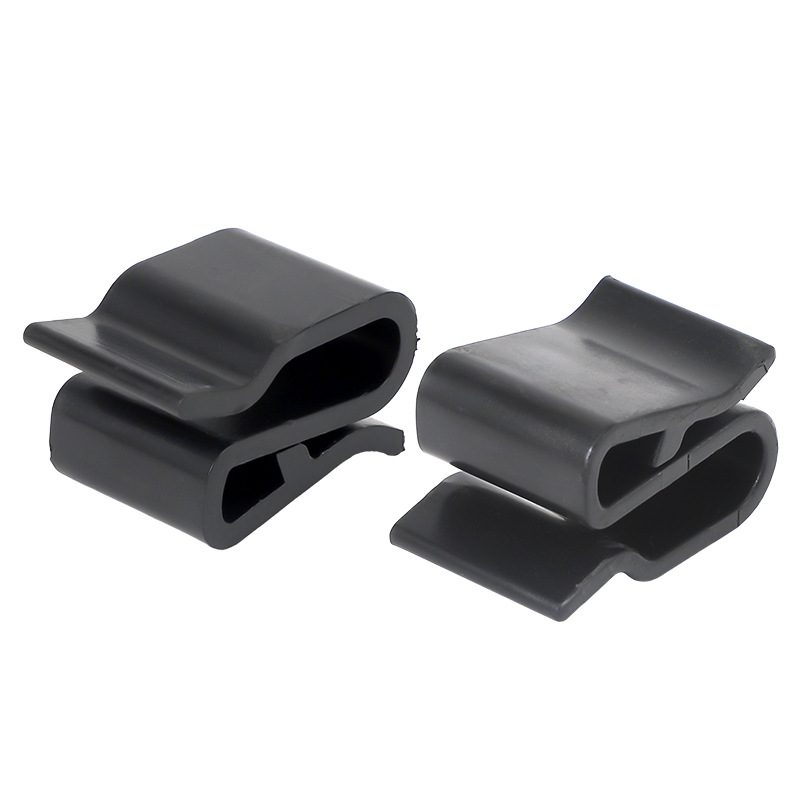
Where polymer supports are appropriate, UV-resistant plastic cable clips provide an installer-friendly option for compatible module frames and cable sizes. The project designer should still confirm material suitability for the site and expected exposure.
Use rails, hooks and routing channels deliberately
Long routes may need edge clips, hangers, rail-mounted supports or protected cable channels. A channel must not trap water or make inspection impossible. Keep cables clear of bolt threads, rail splices and roof penetrations. A dedicated MC4 connector clip can hold the connector body away from the roof.
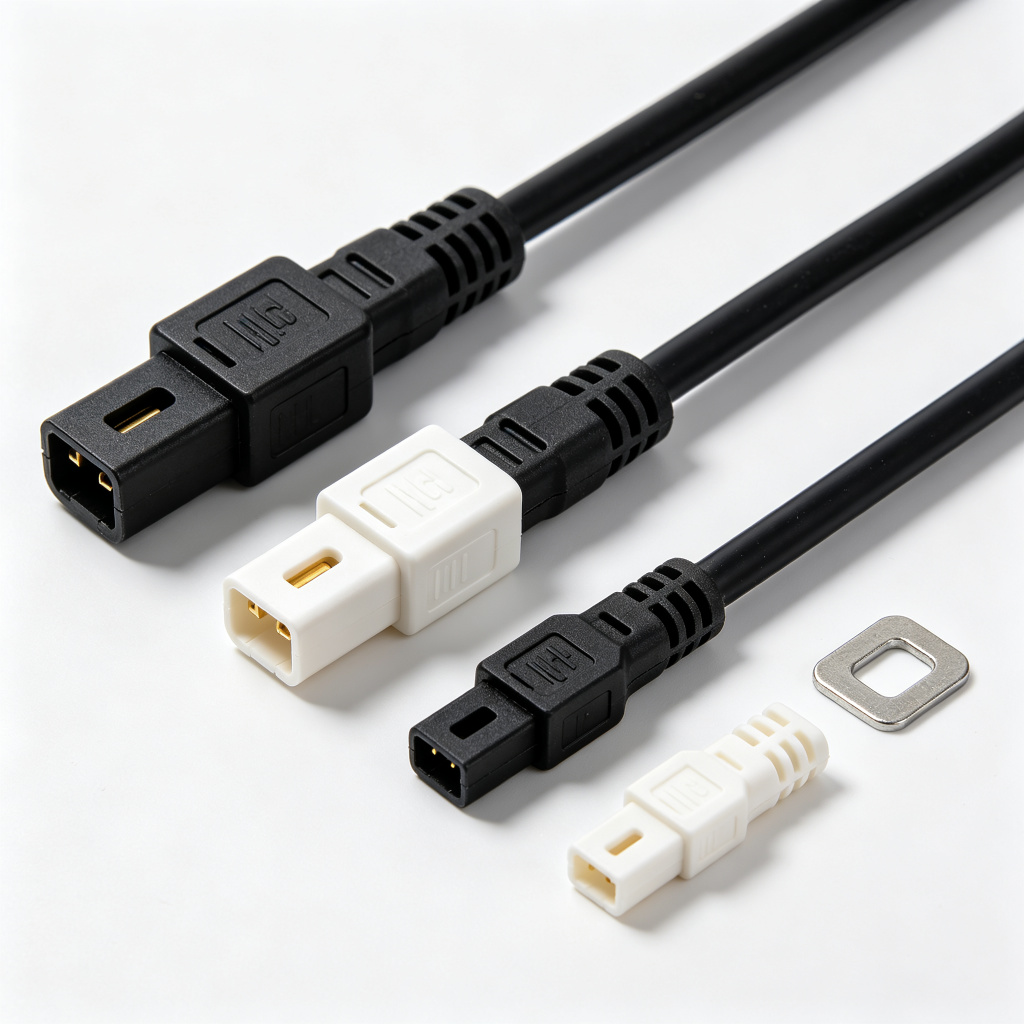
Good solar panel cable management is a system: the clip, cable, connector, module frame, rail and installation environment all need to work together.
Solar Cable Clips, Solar Cable Ties and Wire Management Products
Stainless steel cable clips
SS304 cable clips are commonly selected for exposed solar wire management because they provide a compact, tool-free attachment and do not rely on an adhesive. RONGYIDA PV SOLAR supplies several frame-mounted configurations, including two-wire SS304 cable clips, 6 mm² cable options and side-routing designs. Confirm the material, edge fit, supported cable range and orientation before ordering.
Plastic clips and cable-tie supports
UV-resistant plastic wire management clips can be practical when their material and geometry match the project. Solar cable ties may supplement the layout, but they are not interchangeable with frame clips. A clip attaches to a frame or rail; a tie bundles cables and may require a separate fixing point.
Matching products to project requirements
RONGYIDA PV SOLAR manufactures and supplies solar mounting accessories from factories in Wenzhou and Handan, China. Our cable-management range includes stainless steel cable clips, UV-resistant plastic clips, MC4 connector supports and related hardware. Competitive factory pricing is available, but product approval should begin with drawings, cable dimensions, module-frame details and expected site exposure. Samples can be evaluated before bulk orders so installers can verify fit and handling.
Installation Steps and Quality Checks
1. Review the design and prepare materials
Confirm string routes, cable lengths, connector locations, separation requirements and service access. Compare the bill of materials with the actual modules and rails delivered to site. Check that solar cable clips, solar cable ties and other solar mounting accessories match their labels and approved specifications. Replace damaged, corroded or deformed parts before installation.
2. Route cables without tension or sharp bends
Lay the cable along the planned path while respecting the manufacturer's bend-radius and connector instructions. Keep conductors away from sharp edges, hot surfaces, drainage paths and places where module or rail movement can pinch them. Do not pull a cable tight between two clips; allow controlled slack for thermal movement without creating a hanging loop.
3. Install supports and secure connectors
Seat each frame clip fully and confirm that its opening matches the cable count. Tighten solar cable ties only as specified and trim them without leaving a sharp tail. Place connectors beneath the module or in another protected, supported position. Never use the electrical connector itself as the cable support.
4. Inspect before energization
Walk the complete route. Look for cables touching the roof, hanging below the array, crossing sharp metal, rubbing against fasteners or blocking drainage. Verify that connector pairs are correctly mated and supported. Photograph representative routes and record approved deviations for the as-built file.
5. Include cable management in maintenance
During scheduled inspections, check for broken clips, brittle solar cable ties, cable sag, abrasion, animal damage and displaced connectors. Inspect after severe wind, snow or maintenance work that required module removal. Replace failed supports with compatible products and investigate the cause instead of simply adding another tie to the same weak location.
Conclusion: Make Cable Support a System Decision
High-quality solar wire management preserves insulation, limits uncontrolled movement and supports safer troubleshooting. Select solar cable clips, solar cable ties and connector supports according to the cable, frame, rail and site. Verify the completed route before energization and during operation.
Need help matching cable-management hardware to your project? Review our solar cable clip range or send RONGYIDA PV SOLAR your cable sizes, module-frame details and quantities. We can provide specifications, product photos and samples for evaluation before bulk purchasing.